
Learning to Live in Your Body
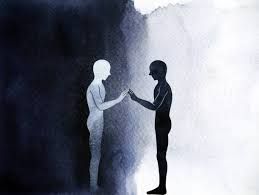
Presence When Your Soul Is Dragging Your Body Along
January 8 — The Discipline of Presence
This month at Disciple to Faith, we’re exploring what it looks like to follow Jesus Monday through Saturday — practicing presence not as theory, but as discipleship in everyday life
By January 8, many of us are present in one place but living in another.
Our bodies are at the desk, at the table, in the meeting —
but our minds are ahead, behind, or everywhere except here.
We rush through tasks without noticing how tired we are.
We carry tension without remembering when it started.
We push ourselves long after our bodies have been asking for rest.
And then we wonder why presence feels so difficult.
Discipleship is not only about where your thoughts go.
It is also about learning to inhabit your body with awareness and care.
1. God Meets Us as Embodied People
Christian faith is not abstract.
The incarnation tells us that God does not save us from bodies —
He meets us in them.
Jesus did not float through life detached from physical limits.
He lived fully embodied, fully present.
He grew tired and sat down to rest (John 4:6).
He slept through a storm, trusting the Father even when the waves rose (Mark 4:38).
He ate with friends, sinners, and even after the resurrection (Luke 24:41–43).
He walked alongside disciples at their pace, listening before revealing Himself (Luke 24:15).
He withdrew to quiet places when His soul needed prayer and rest (Luke 5:16).
He touched those others avoided, offering healing through physical presence (Mark 1:41).
He breathed on His disciples, giving life and peace (John 20:22).
He wept, allowing grief to be felt, seen, and shared (John 11:35).
Jesus’ presence was embodied.
And discipleship still is.
2. Disconnection From the Body Fuels Hurry
When we lose touch with our bodies, we tend to:
- move too fast
- ignore fatigue
- react instead of respond
- confuse adrenaline with faithfulness
Dallas Willard often reminded us that following Jesus means learning how to live as He lived — at a pace where the soul can keep up with the body.
Eugene Peterson described discipleship as a long obedience in the same direction. That kind of obedience assumes rhythms that can actually be sustained — not lives lived in constant overdrive.
You cannot practice presence if your body is always bracing for impact.
Presence invites us to notice:
- shallow breathing
- clenched jaws
- tight shoulders
- restless movement
- exhaustion disguised as productivity
These are not spiritual failures.
They are invitations to return.
3. The Body Often Knows Before the Mind Does
Your body often recognizes what your mind tries to override.
It knows:
- when you’re overwhelmed
- when a conversation is too much
- when grief needs space
- when rest is overdue
- when joy wants to be noticed
Rob Bell often frames presence as learning to be here — not escaping the moment, not numbing it, not rushing past it — but inhabiting it fully.
Listening to your body is one way of practicing that kind of presence.
God often speaks through physical awareness long before clarity arrives in words.
4. Presence Is Practiced Through Small Physical Acts
You do not need to overhaul your life to practice embodied presence.
Try noticing God in:
- a deep, intentional breath
- the feeling of your feet on the floor
- slowing your walking pace
- resting your hands instead of clenching them
- standing up and stretching between tasks
- choosing to sit down when you can
These small acts are not indulgent.
They are formative.
They remind you that you are not a machine —
you are a creature God meets with care.
5. A Simple Practice for January 8
Today, practice this once or twice:
Pause and ask:
“What is my body telling me right now?”
Then respond gently.
Maybe you need:
- a breath
- a stretch
- a glass of water
- a moment of stillness
- permission to stop pushing
Offer that moment to God.
Presence practiced in the body often opens the door to deeper presence in prayer, listening, and love.
The Invitation
January 8 reminds us that discipleship is not lived from the neck up.
God meets you where you actually are —
in breath and movement,
in fatigue and strength,
in stillness and motion.
Learning to live in your body with attentiveness is not self-focus.
It is humility.
It is honesty.
It is incarnation lived forward.
And it is one more way of praying,
“God, I am here — fully.”
That kind of presence changes everything.