
Living in the Truth
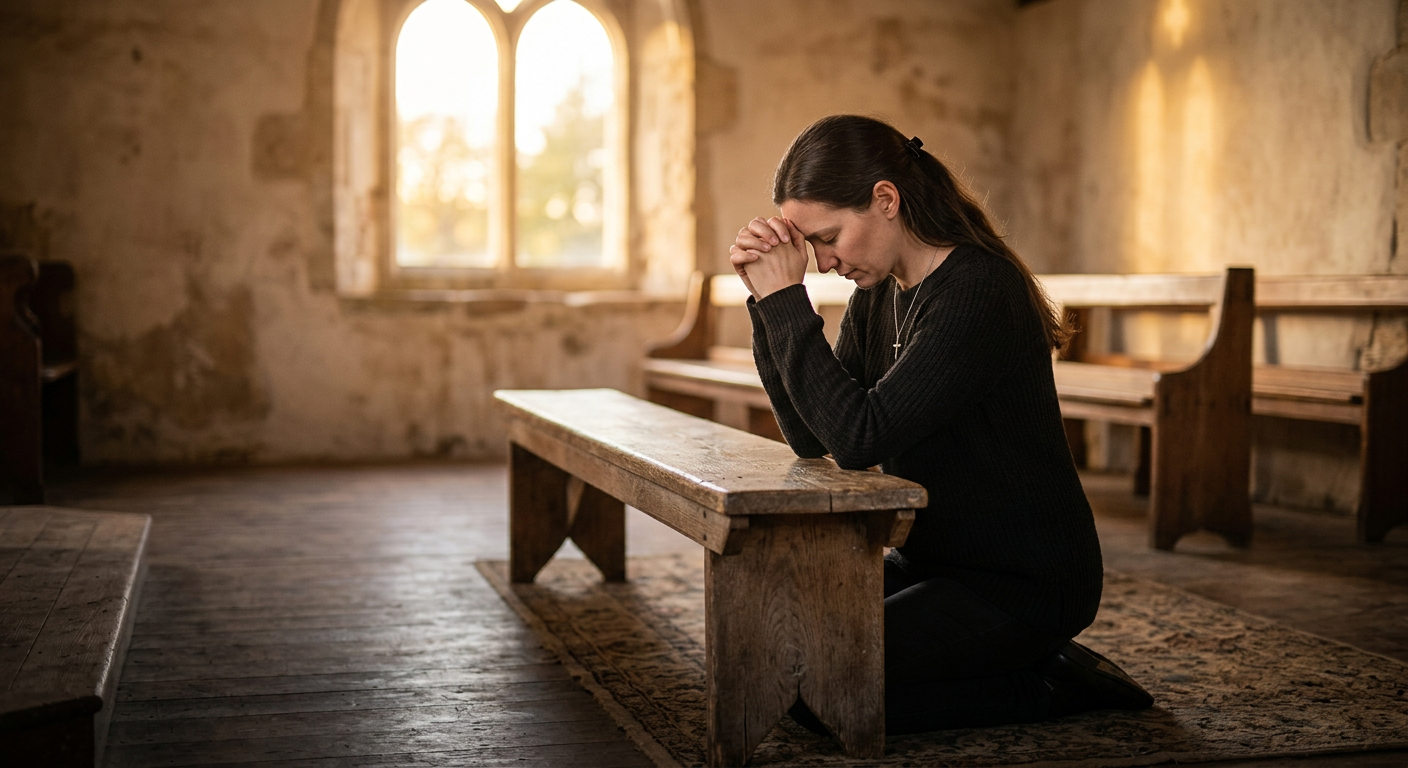
(The Spiritual Discipline of Humility)
July 14 — Spiritual Disciplines | Discipleship in Real Life
Humility has an image problem.
Many people hear the word and imagine:
- weakness
- insecurity
- passivity
- thinking less of themselves
But biblical humility is something far more beautiful.
It is not pretending you have no gifts.
Nor is it believing you have no worth.
Humility is the freedom of no longer needing to prove who you already are in Christ.
1. Pride Is More Subtle Than We Imagine
When we hear the word pride, we often picture arrogance.
Boasting.
Self-importance.
But pride has quieter expressions too.
It appears whenever we feel compelled to:
- defend ourselves constantly
- compare ourselves with others
- protect our image
- control every outcome
- seek recognition
- avoid admitting weakness
Pride is often less about thinking too highly of ourselves...
...and more about thinking about ourselves constantly.
2. Humility Is Living in Reality
Humility neither exaggerates nor minimizes.
It simply tells the truth.
It acknowledges:
- gifts without boasting
- weaknesses without despair
- success without superiority
- failure without shame
Humility says:
I am neither more nor less than someone deeply loved by God.
That truth creates remarkable freedom.
3. Humility Makes Us Teachable
Pride resists correction.
Humility welcomes growth.
A humble heart can say:
I was wrong.
Help me understand.
I hadn't considered that.
Those words are not signs of weakness.
They are evidence that growth matters more than appearing impressive.
4. Humility Releases the Burden of Performance
Many people spend enormous energy trying to manage how they are perceived.
To appear:
- competent
- spiritual
- successful
- capable
Humility quietly sets that burden down.
Because identity is no longer built on performance.
It rests in grace.
And grace cannot be earned.
Only received.
5. Christ Shows Us the Shape of Humility
Jesus possessed every reason to exalt Himself.
Yet He consistently chose:
- service
- compassion
- surrender
- obedience
He washed feet.
Welcomed children.
Touched lepers.
Laid down His life.
The deepest picture of humility is not self-denial for its own sake.
It is love expressed through self-giving.
6. Humility Creates Peace
One of the unexpected gifts of humility is rest.
When you no longer feel compelled to:
- prove yourself
- defend yourself
- compete constantly
your heart becomes quieter.
You become more available:
- to listen
- to learn
- to love
- to rejoice in another person's success
Humility makes room for peace because it loosens the grip of self-preoccupation.
7. A Practice for July 14
Today, notice one moment where your instinct is to protect your image.
Pause.
Instead of defending yourself immediately, pray:
Lord, help me care more about becoming faithful than appearing impressive.
Then choose one quiet act of humility.
Perhaps:
- admit a mistake
- receive correction graciously
- celebrate someone else's success
- serve without recognition
- ask for help
Remain open.
The Invitation
July 14 reminds us that humility is not about becoming smaller.
It is about becoming freer.
Freer from:
- comparison
- performance
- pride
- the exhausting need to prove yourself
You already belong to Christ.
You are already loved.
You are already held by grace.
And because that is true...
You are free to become the kind of person who:
- listens deeply
- serves quietly
- learns continually
- loves generously
Not to earn God's approval.
But because you already live within it.
Monday through Saturday.
Living more truthfully.