
Meeting God Along the Road
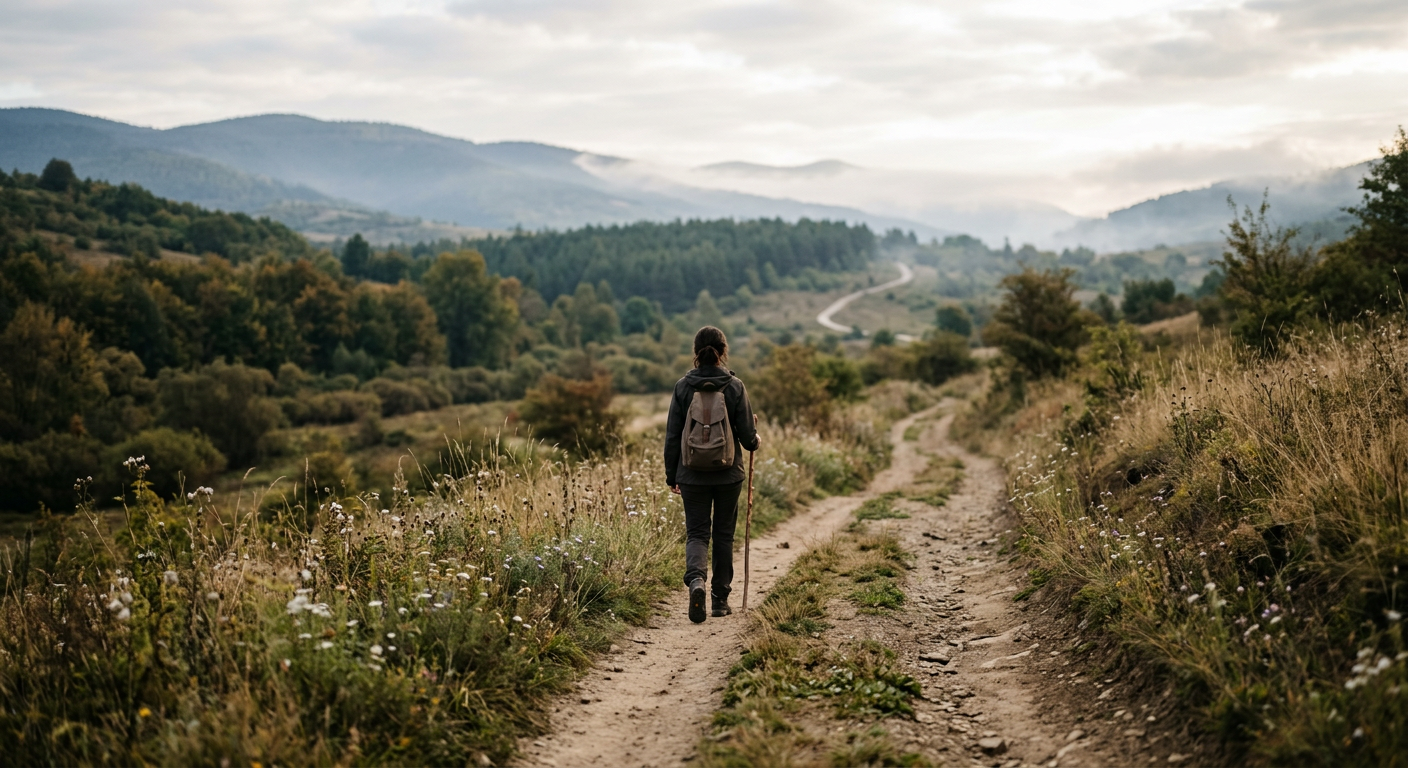
(The Spiritual Discipline of Pilgrimage)
May 21 — Spiritual Disciplines | Discipleship in Real Life
Much of life is spent trying to arrive.
At:
- stability
- clarity
- certainty
- resolution
We want:
- settled answers
- predictable outcomes
- familiar ground beneath our feet
And yet, throughout Scripture, God’s people often encountered Him not while standing still…
but while traveling.
On roads.
In wilderness places.
Along uncertain paths.
Pilgrimage reminds us that the spiritual life is not static—it is a journey of learning to walk attentively with God.
1. Pilgrimage Begins by Leaving Something Familiar
Every pilgrimage starts with departure.
Not necessarily from geography.
But from:
- routine
- comfort
- predictability
- control
Something familiar is loosened.
And that matters because familiarity can quietly numb attentiveness.
We stop noticing:
- dependence
- wonder
- vulnerability
- God’s presence along the way
Pilgrimage interrupts that numbness.
2. Movement Reveals What We Rely On
When familiar rhythms disappear, deeper things surface.
You begin to notice:
- how much you rely on comfort
- how quickly you seek control
- how attached you are to predictability
- how difficult it is to remain present when things feel uncertain
Pilgrimage exposes these attachments gently.
Not to shame you.
To loosen them.
3. God Is Often Met Along the Way
One of the beautiful truths of pilgrimage is this:
The journey itself becomes part of the prayer.
Not just the destination.
God meets His people:
- on roads
- in conversations
- through fatigue
- through beauty
- through silence
- through unexpected encounters
The movement creates attentiveness.
And attentiveness deepens awareness.
4. Pilgrimage Slows the Need for Immediate Clarity
We often want instant understanding.
Immediate answers.
Direct resolution.
But pilgrimage teaches patience.
Transformation unfolds gradually:
- step by step
- mile by mile
- moment by moment
You do not receive the entire journey at once.
Only the next faithful step.
5. Pilgrimage Teaches You to Travel Lightly
Over time, pilgrimage changes how you carry life.
You begin releasing:
- unnecessary weight
- false urgency
- the illusion of control
Not because the road becomes easy.
Because you discover:
your true stability was never in those things to begin with.
6. A Practice for May 21
Today, take a small intentional journey.
A walk.
A drive.
A quiet path.
Move slowly and prayerfully.
As you travel, ask:
“God, what are You inviting me to notice along the way?”
Don’t rush toward insight.
Stay attentive to the road itself.
The Invitation
May 21 reminds us that discipleship is not merely about arriving somewhere spiritually.
It is about learning to walk with God attentively through every season of the journey.
You do not need complete clarity to keep moving forward.
You need attentiveness for the next step.
God still meets His people along the road.
Monday through Saturday.
Step by step.