
Responding, Not Reacting
Presence When Life Pushes Your Buttons
January 7 — The Discipline of Presence
By January 7, the year has started talking back.
Emails have opinions.
Meetings have tension.
Family dynamics resurface.
The news cycle presses in.
Someone says something that lands wrong.
And suddenly, presence feels fragile.
Not because you forgot to pray —
but because life is happening faster than your attention can keep up.
This is where discipleship often breaks down —
not in quiet moments, but in triggered ones.
Presence is what creates the space between what happens to you and how you respond.
And that space changes everything.
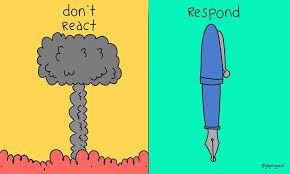
1. Reacting Is Fast. Responding Is Faithful
Reactions are automatic.
They come from:
- fear
- defensiveness
- exhaustion
- habit
- old wounds
Reactions happen to us.
Responses, on the other hand, are chosen.
They come from awareness.
From restraint.
From attentiveness to God’s presence in the moment.
Discipleship is not about eliminating reactions.
It is about learning to pause long enough to choose a response.
That pause — even a brief one — is presence at work.
2. Jesus Lived in the Pause
Jesus was constantly surrounded by pressure:
- people demanding answers
- religious leaders provoking Him
- crowds misunderstanding Him
- disciples missing the point
And yet, He rarely reacted impulsively.
He paused.
He asked questions.
He withdrew when needed.
He stayed silent when silence was faithful.
He spoke firmly when love required it.
Dallas Willard reminds us that Jesus’ easy yoke is not a promise of ease, but of a life lived at a pace where discernment is possible.
You cannot discern well if you are always reacting.
3. Reactivity Is Often a Sign of Hurry
We tend to react most when we are rushed.
Rushed schedules.
Rushed conversations.
Rushed judgments.
Rushed conclusions.
Hurry short-circuits wisdom.
Eugene Peterson’s vision of a long obedience in the same direction assumes that growth happens over time — not in snap decisions made under pressure.
Presence slows us down enough to ask:
- What is actually being asked of me here?
- What is the loving response, not just the efficient one?
- Where is God inviting me to show patience?
4. Presence Gives You Back Your Agency
When you live reactively, everything else is in control:
- the comment
- the email
- the tone
- the situation
Presence returns agency to you.
It reminds you:
- I don’t have to respond immediately
- I don’t have to match their intensity
- I don’t have to defend myself right now
- I can choose faithfulness
Rob Bell often frames presence as the moment you wake up inside the situation instead of being swept away by it.
That awakening is where discipleship becomes practical.
5. A Simple Practice for January 7
Today, practice this:
When you feel triggered — even mildly — pause and ask:
“What response would reflect Christ here?”
You don’t need to answer perfectly.
You just need to slow down enough to ask.
If words come too quickly, choose silence.
If emotions are hot, choose space.
If clarity is lacking, choose prayer.
Responding is not weakness.
It is strength shaped by presence.
The Invitation
January 7 reminds us that discipleship is not tested in calm moments alone.
It is revealed in pressure.
Presence doesn’t remove tension —
it gives you room to live faithfully within it.
You will still feel emotions.
You will still get frustrated.
You will still be challenged.
But you do not have to live at the mercy of reaction.
With Christ present, you are free to respond —
thoughtfully, patiently, and with love.
That freedom is not dramatic.
But it is transformative.
And it begins with presence.