
When More Becomes Normal
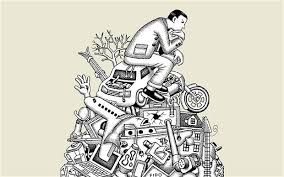
Resisting Lifestyle Inflation
March 12 — Lent | The Discipleship of Your Dollar
One of the quietest forces shaping our financial lives is not debt.
It’s adaptation.
You earn a little more.
You upgrade a little bit.
Your lifestyle expands slightly.
And before long, what once felt like luxury now feels normal.
Lifestyle inflation happens so slowly that we rarely notice it.
But over time, it reshapes how we define enough.
1. The Standard Keeps Moving
When income increases, expectations often follow.
A nicer apartment becomes a house.
A reliable car becomes a newer one.
Occasional dining out becomes routine.
None of these shifts are automatically wrong.
But they quietly reset the baseline.
What once felt like abundance begins to feel like necessity.
And the line between “need” and “want” slowly blurs.
2. Adaptation Is Human
This pattern is not just financial.
Human beings adapt to improvement quickly.
Psychologists call it “hedonic adaptation.”
What once thrilled us becomes ordinary.
What once felt like plenty becomes simply the new normal.
Without intentional reflection, our desires will always expand faster than our gratitude.
3. Jesus Warned About the Subtle Drift
Jesus rarely condemned wealth directly.
But He often warned about the subtle drift that accompanies it.
The danger was not money itself.
It was how easily comfort could shift the heart toward self-reliance and away from dependence on God.
When lifestyle quietly expands, generosity often shrinks.
Not because people become selfish.
But because their definition of “enough” keeps moving.
4. Lent Creates Space to Recalibrate
Lent slows us down long enough to notice the drift.
It invites questions like:
What have I quietly upgraded that I now assume I deserve?
Where has my definition of “normal” changed?
How much is actually enough?
This is not about guilt.
It’s about clarity.
Simplicity is not deprivation.
It is intentional freedom.
5. Contentment Protects Generosity
One reason lifestyle inflation matters spiritually is simple:
Contentment fuels generosity.
When your needs remain modest, giving remains possible.
When your lifestyle expands endlessly, generosity becomes harder — even if your income grows.
Contentment stabilizes the heart.
It protects joy.
And it keeps generosity alive.
6. A Practice for March 12
Today, reflect on one upgrade you’ve grown used to.
Ask yourself:
“If this had never become normal, would I still feel like I needed it?”
You don’t have to change anything immediately.
Just notice.
Awareness is the first step toward intentional living.
The Invitation
March reminds us that money disciples the heart.
Lifestyle inflation trains us toward endless desire.
Simplicity trains us toward contentment.
Lent is not about rejecting good things.
It’s about remembering what is truly enough.
And when enough becomes clear, generosity, peace, and gratitude begin to grow again.
Monday through Saturday.
Even in the quiet places where our expectations shift.